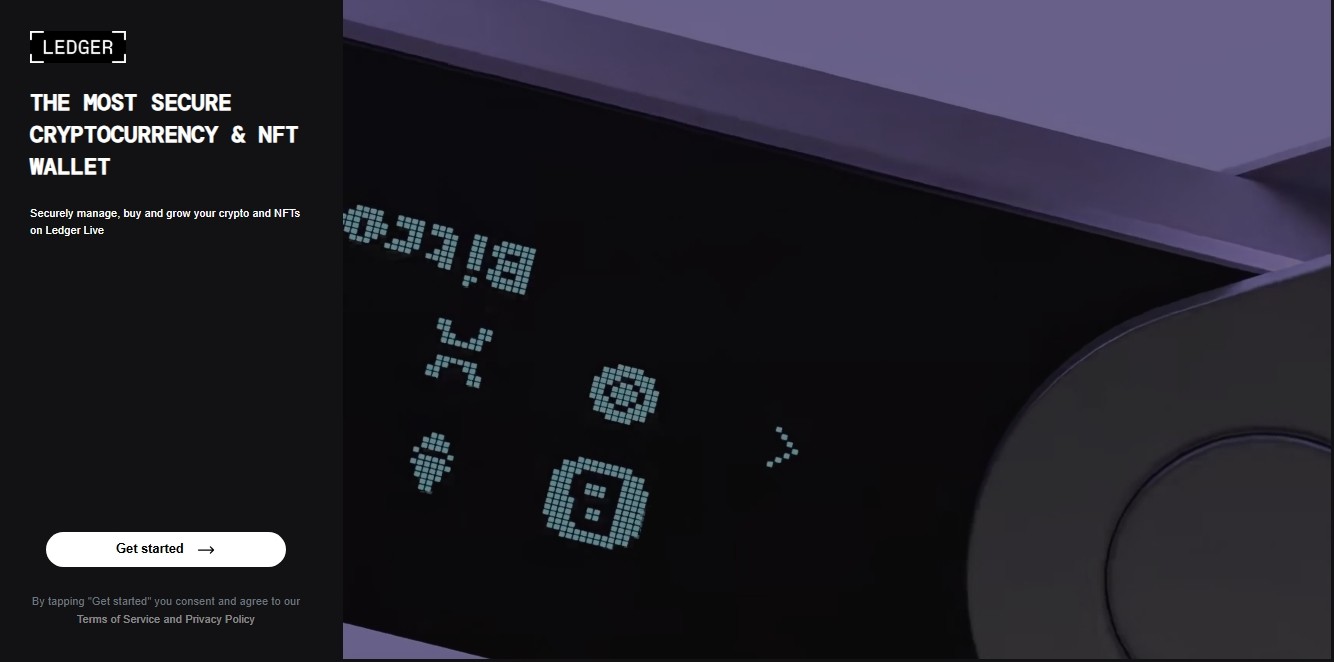
Ledger Login – The Complete Guide to Securely Accessing Your Ledger Wallet
Managing cryptocurrency securely is critical in today’s digital landscape. Unlike traditional banking, crypto transactions are irreversible, and losing access to your wallet can result in permanent loss of funds. Ledger Login is your gateway to safely accessing your Ledger hardware wallet and Ledger Live account, allowing you to manage your crypto assets with confidence.
This comprehensive guide covers everything you need to know about Ledger Login, including setup, security best practices, account management, troubleshooting, and advanced features. By the end, you will understand how to access and manage your Ledger wallet safely while maintaining full control over your cryptocurrencies.
What Is Ledger Login?
Ledger Login is the official access point for interacting with Ledger hardware wallets through Ledger Live, the companion software application for desktop and mobile devices. Ledger Login enables users to:
Access Ledger Live securely to manage accounts
Send and receive cryptocurrencies
Update firmware on Ledger devices
Configure advanced security settings
Integrate with decentralized applications (dApps)
Unlike online wallets, Ledger Login does not store private keys on the cloud. Instead, it facilitates secure communication between Ledger Live and your hardware wallet while your private keys remain safely offline.
Why Ledger Login Is Essential
Many cryptocurrency losses occur due to phishing attacks, malware, or human error rather than flaws in blockchain technology. Ledger Login ensures secure access to your wallet by:
Providing verified access to Ledger Live: Avoids phishing and malware risks
Authenticating your device: Ensures transactions require physical confirmation
Centralizing wallet management: Manage multiple cryptocurrencies and accounts safely
Enabling advanced features: Stake, trade, and interact with DeFi while keeping keys offline
By using Ledger Login, you create a secure environment to manage your crypto assets effectively.
Getting Started With Ledger Login
To access Ledger Login, you need a Ledger hardware wallet (Ledger Nano S, Nano S Plus, or Nano X) and Ledger Live installed on your device.
Step 1: Install Ledger Live
Ledger Live is available for multiple platforms:
Desktop: Windows, macOS, Linux
Mobile: iOS, Android
Always download Ledger Live from the official Ledger website to avoid fake or malicious versions. Ledger Login ensures that you connect only through verified software.
Step 2: Connect Your Ledger Device
Open Ledger Live.
Connect your Ledger hardware wallet via USB or Bluetooth (Nano X).
Follow on-screen instructions to detect your device.
Ledger Login ensures that your device is properly authenticated before granting access to your accounts.
Step 3: Enter Your PIN
Every Ledger device is protected by a PIN. Entering the correct PIN is required for every session:
Prevents unauthorized access if your device is lost or stolen
Protects against malware and keyloggers since PINs are entered on the device, not the computer
After successful PIN entry, Ledger Live unlocks your accounts, allowing you to manage your crypto portfolio.
Step 4: Restore Wallet Using Recovery Phrase (If Needed)
If logging in on a new device, Ledger Login allows you to restore your wallet using your recovery phrase.
Enter your 24-word recovery phrase securely on the Ledger device.
Confirm each word to ensure accuracy.
Ledger Live will sync your accounts and balances securely.
Important: Never enter your recovery phrase on a computer, smartphone, or browser outside Ledger Live. Anyone with access to it can take full control of your crypto assets.
Managing Cryptocurrency Accounts via Ledger Login
Ledger Live supports over 5,500 cryptocurrencies across multiple blockchains. Through Ledger Login, you can:
Add or remove cryptocurrency accounts
View balances and transaction histories
Send and receive cryptocurrencies securely
Monitor multiple accounts across different blockchains
Supported assets include Bitcoin (BTC), Ethereum (ETH), Litecoin (LTC), Bitcoin Cash (BCH), Cardano (ADA), Solana (SOL), Polkadot (DOT), and more.
Sending and Receiving Crypto
Receiving Crypto
Open Ledger Live and select the account.
Click Receive to generate an address.
Verify the address on your Ledger device.
Share the address only with trusted sources.
Sending Crypto
Click Send in Ledger Live.
Enter the recipient’s address and the amount.
Confirm the transaction details.
Approve the transaction physically on your Ledger device.
Ledger Login ensures that private keys never leave the device, providing maximum security for all transactions.
Staking and Earning Rewards
Ledger Login also provides access to staking features for supported cryptocurrencies.
Stake assets such as Tezos (XTZ), Polkadot (DOT), and Cosmos (ATOM).
Earn rewards automatically credited to your Ledger account.
Participate in securing blockchain networks while earning passive income.
Staking via Ledger Login keeps your private keys offline, ensuring safety while generating rewards.
Security Best Practices
Even with Ledger Login, following best practices is essential for safeguarding your crypto:
Download Ledger Live only from the official Ledger website
Keep your recovery phrase offline and secure
Use strong PINs and passwords
Verify all transaction addresses on the device
Enable two-factor authentication where applicable
Update Ledger Live and firmware regularly
Avoid phishing emails and malicious websites
Adhering to these practices ensures your funds remain protected even if your computer or mobile device is compromised.
Advanced Features Accessed Through Ledger Login
DeFi Integration
Safely connect to decentralized finance applications.
Sign transactions on-chain without exposing private keys.
Portfolio Tracking
Track balances, asset allocations, and performance metrics across multiple accounts.
Firmware Updates
Ledger Login allows secure, verified firmware updates.
Ensures your device is running the latest security patches.
Troubleshooting Ledger Login Issues
Common issues and solutions:
Device not recognized: Check the cable or Bluetooth connection and ensure Ledger Live is updated.
Forgotten PIN: Use the recovery phrase to restore the wallet on a new device.
App crashes or freezes: Reinstall Ledger Live from the official source.
Firmware update errors: Ensure the device is connected and fully charged, then follow Ledger Live instructions.
Ledger provides detailed support resources to guide users through these issues safely.
Common Mistakes Ledger Login Helps Prevent
Using Ledger Login correctly helps avoid:
Entering recovery phrases on untrusted websites
Downloading fake Ledger Live software
Approving transactions without device confirmation
Losing track of private keys or recovery phrases
Falling for phishing scams
Ledger Login ensures that users follow a secure, guided path when managing their crypto.
Why Ledger Is Trusted Worldwide
Ledger wallets, combined with Ledger Live and Ledger Login, are used by millions of people globally. Features like offline private key storage, PIN protection, recovery phrase backup, and verified firmware updates make Ledger one of the most secure options for cryptocurrency management. Ledger Login adds an additional layer of convenience and security, allowing safe access while keeping your keys offline.
Final Thoughts on Ledger Login
Ledger Login is the secure gateway to your Ledger hardware wallet and Ledger Live account. By using it correctly, you can:
Access multiple cryptocurrency accounts safely
Send and receive funds securely
Stake assets and participate in DeFi applications
Keep private keys offline while managing your portfolio easily
Key takeaways:
Always access Ledger Login through the official Ledger website
Backup your recovery phrase offline
Verify transactions on your device
Use Ledger Login to explore advanced features securely
Ledger Login provides a safe, centralized, and user-friendly interface for managing your cryptocurrency assets while maintaining full control over your private keys. Following best practices ensures the security and longevity of your crypto investments.